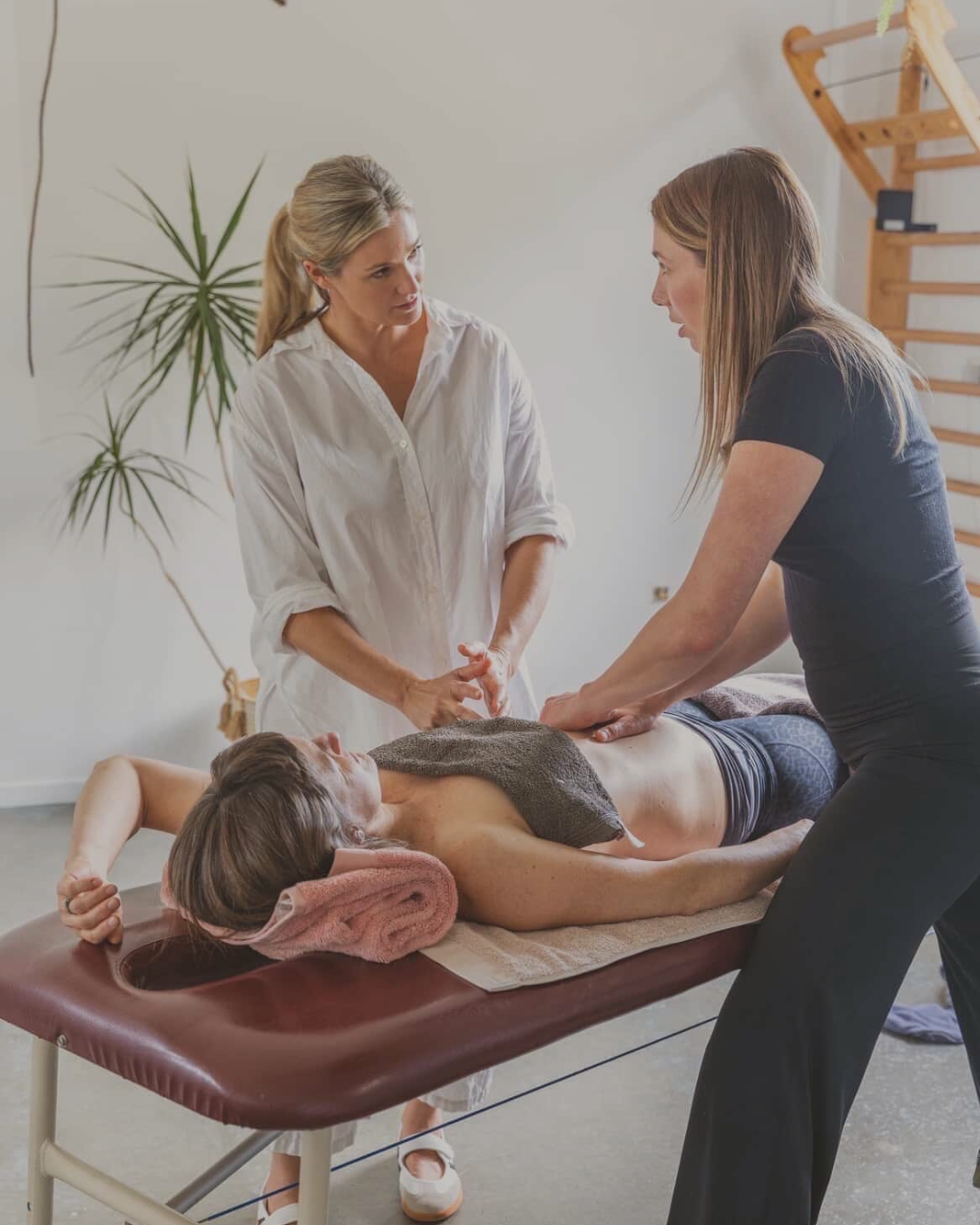
Scar therapy is a gentle, hands-on treatment designed to support healing, mobility and connection through the abdomen after surgery. A scar can affect multiple layers of tissue — including skin, fascia, muscle and in c - sections, the uterus. Scar tissue can sometimes become tight, restricted or sensitive.
Sessions are always adapted to your stage of healing and comfort level. Many women describe treatment as relieving, grounding and reconnective.
What is Scar Release?❋ Tightness or pulling around the scar
❋ Numbness or altered sensation
❋ A “shelf” above the incision
Treatment may help with?❋ Core weakness or abdominal separation
❋ Pelvic, hip or lower back discomfort
❋ Restricted movement or tension through the abdomen
Most women can begin treatment once their incision has fully healed and they have been medically cleared — often from around 6 weeks postpartum onwards.
You may benefit from treatment if you notice:
Tightness, pulling or numbness
Sensitivity around the scar
Difficulty engaging your core
A persistent “C-section shelf”
Lower back or pelvic discomfort
Digestive bloating or tension
Feeling disconnected from your abdomen after birth
It’s also important to know that it is never “too late” to work with a scar. Many women seek support months or even years after their C-section and still notice improvements in comfort, mobility and body awareness.
When to come?Scar therapy and fascial work may also support:
C- section scars (must be 8 weeks post-partum before first session)
Tummy tuck (abdominoplasty) scars
Hysterectomy scars
Endometriosis surgery scars
Fibroid removal scars
Laparoscopic surgery scars
Gallbladder surgery scars
Appendix scars
Hernia repair scars
Bowel surgery scars
Cancer or tumour removal scars
Ablation surgery scars
Treatment focuses on improving tissue mobility, reducing restriction and helping surrounding tissues move more freely.
What scars can this help?